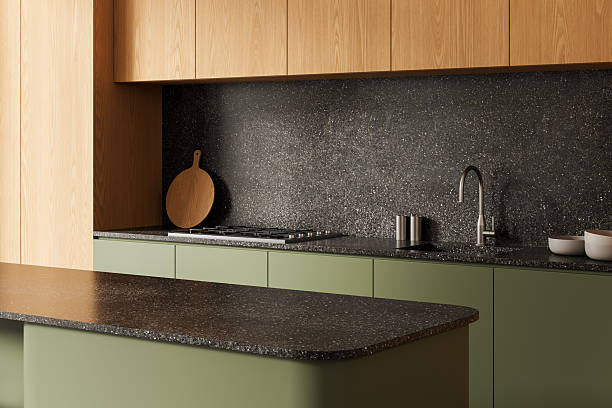
A timeless kitchen does not depend on one fashionable colour, one dramatic fitting, or one material that everyone is talking about this year. It feels settled because the parts work together quietly. Nothing looks random. Nothing feels too loud. The room can handle daily life while still looking considered.
That kind of kitchen usually starts with proportion. Cabinet height, island size, walkway space, shelf depth, and window placement all affect the way the room feels. If the island is too large, the kitchen can feel crowded. If the wall cabinets are too heavy, the room can feel closed in. Good proportion gives the space balance before any finishes are chosen.
Layout is just as important. A timeless kitchen should be easy to move through. The fridge, sink, hob, oven, bins, dishwasher, and pantry should all sit where they make sense. This may sound basic, but it is often where problems begin. A beautiful kitchen can quickly lose its charm if every meal involves awkward steps, blocked cupboards, or poor access to storage.
Materials carry much of the long-term feeling. Natural stone, timber, ceramic, quality metal finishes, and well-made cabinetry can age with more grace than trend-led surfaces. This does not mean every choice must be expensive or traditional. It means each material should have a reason. Luxury kitchens often feel strongest when they use fewer materials with more care, rather than too many finishes competing for attention.
Colour also needs restraint. Soft neutrals, warm whites, muted greens, gentle greys, deep blues, and natural timber tones can all work well when they suit the home. The safest choice is not always plain white. In some homes, white can feel cold. In others, darker joinery can feel elegant and calm. The best colour is the one that fits the light, architecture, flooring, and mood of the house.
Hardware is a small detail with a large effect. Handles, knobs, pulls, hinges, and tapware should feel good in the hand, not just look good in a photo. Oversized handles can date quickly if they are chosen only for impact. Very delicate fittings may look fine but feel weak with daily use. A timeless kitchen often uses hardware that feels simple, solid, and easy to live with.
Lighting should be layered, not treated as an afterthought. Work areas need clear task lighting. Dining or seating areas need softer light. Display shelves, stone, or textured walls may need gentle accent lighting. Luxury kitchens can lose warmth if they rely only on harsh ceiling lights. A good lighting plan lets the room shift from busy morning use to relaxed evening mood.
Storage is another detail that helps a kitchen age well. Trends change, but clutter rarely looks good. Deep drawers, tray slots, appliance cupboards, bin storage, pantry zones, and charging points can keep the kitchen useful without making it feel crowded. The storage should match the owner’s habits, not just fill every empty wall.
Timeless design also pays attention to joins and lines. The edge of a worktop, the meeting point of cabinet and wall, the gap around an appliance, and the line of a splashback can all affect the finish. People may not name these details, but they feel them. Clean lines help the kitchen look calm.
One mistake is confusing timeless with plain. A kitchen can have character without feeling trendy. A handmade tile, a timber shelf, a stone with movement, or a special pendant can add identity. The difference is that these details should support the room, not shout over it.
A timeless kitchen is not frozen in the past. It simply avoids chasing every new idea. It gives the home a room that feels calm now and still feels right after styles have moved on.